
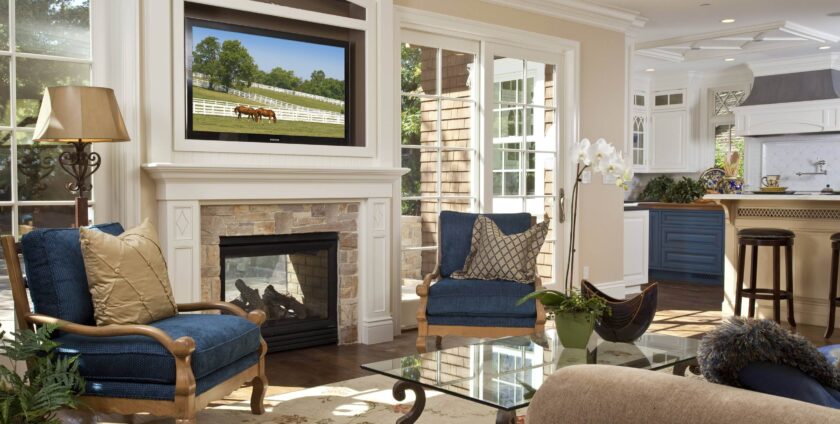
A well-designed focal point does more than warm a room—it invites connection and adds timeless character. For centuries, these features have anchored homes, blending practicality with artistry. Today, they’re evolving into customizable centerpieces that reflect personal style while boosting property appeal.
Modern designs go beyond basic functionality. Sleek materials, innovative layouts, and smart technology now turn traditional elements into conversation starters. Whether you prefer minimalist lines or rustic textures, the right update can redefine your entire room’s vibe.
Investing in this upgrade offers both immediate comfort and lasting value. Thoughtful choices harmonize with your home’s architecture while improving energy efficiency. We’ll guide you through balancing aesthetics, budget, and long-term benefits to create a space that truly feels like yours.
Key Takeaways
- Modern designs blend heating efficiency with artistic expression
- Quality materials enhance durability and visual impact
- Smart technology integration improves convenience and safety
- Style updates can increase property value by up to 12%
- Professional installation ensures optimal performance and compliance
Understanding the Essentials of Fireplace Renovation
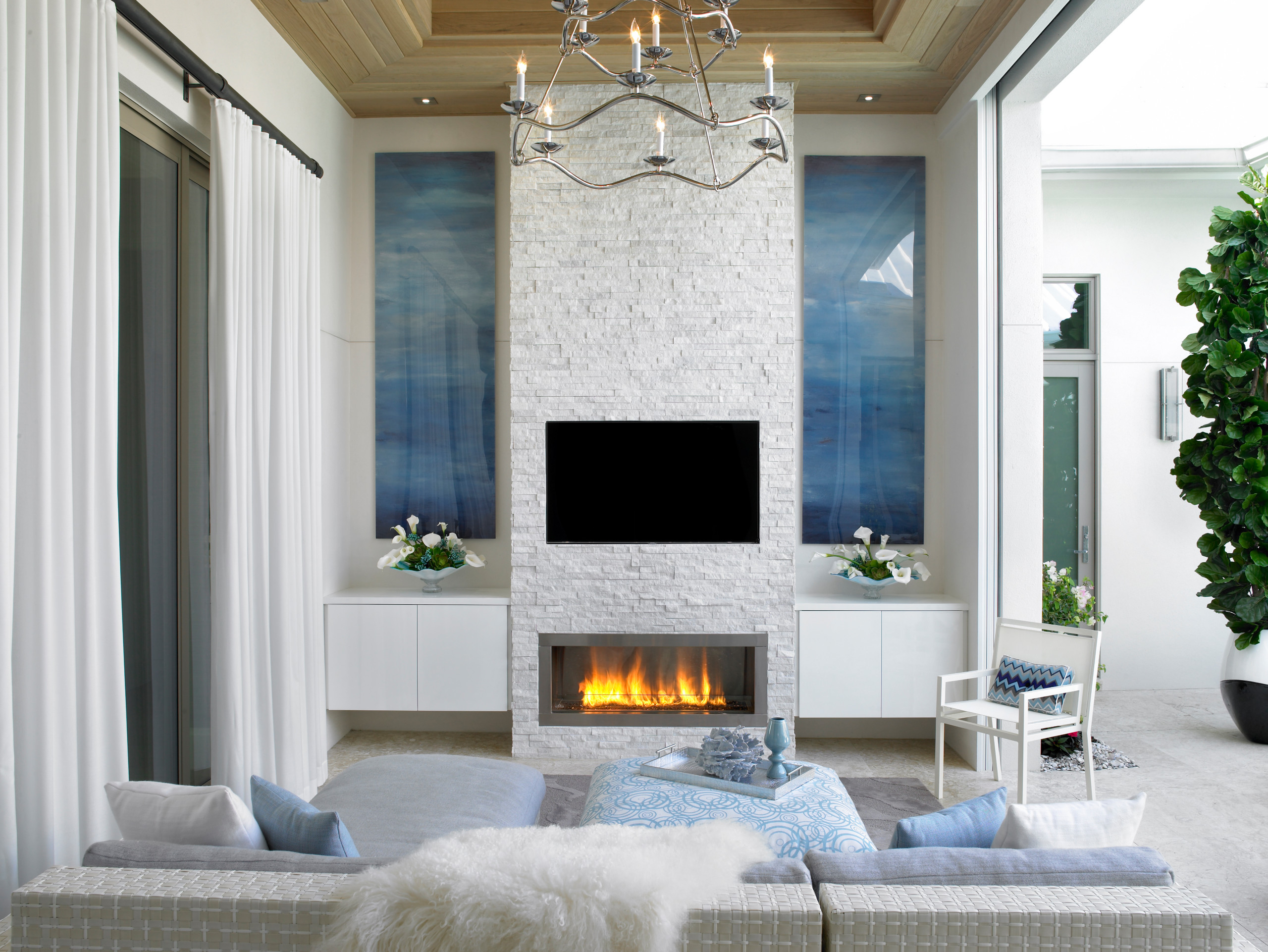
Credit: Houzz
A stunning hearth becomes the heart of your home when style meets smart engineering. We focus on three pillars: visual harmony, efficient heat management, and structural integrity. Let’s break down what separates basic setups from showstopping features.
What Makes a Great Hearth?
Exceptional designs balance form and function. The right materials—like hand-cut stone or textured metal surrounds—create visual depth while withstanding high temperatures. Proper firebox sizing ensures even heat distribution without overwhelming your space.
| Feature | Masonry | Prefab |
|---|---|---|
| Installation | Built from foundation | Pre-made insert |
| Cost | $$$ | $$ |
| Customization | Full design control | Limited modifications |
Key Considerations in Design and Functionality
Safety always comes first. Proper ventilation prevents smoke buildup, while heat-resistant barriers protect nearby walls. Modern upgrades like variable-speed blowers let you adjust warmth output based on room size.
Homeowners often rehab existing structures rather than rebuild. This approach maintains architectural character while integrating new efficiency standards. Remember—every material choice impacts both aesthetics and long-term performance.
Planning Your Ultimate Guide to Fireplace Renovation
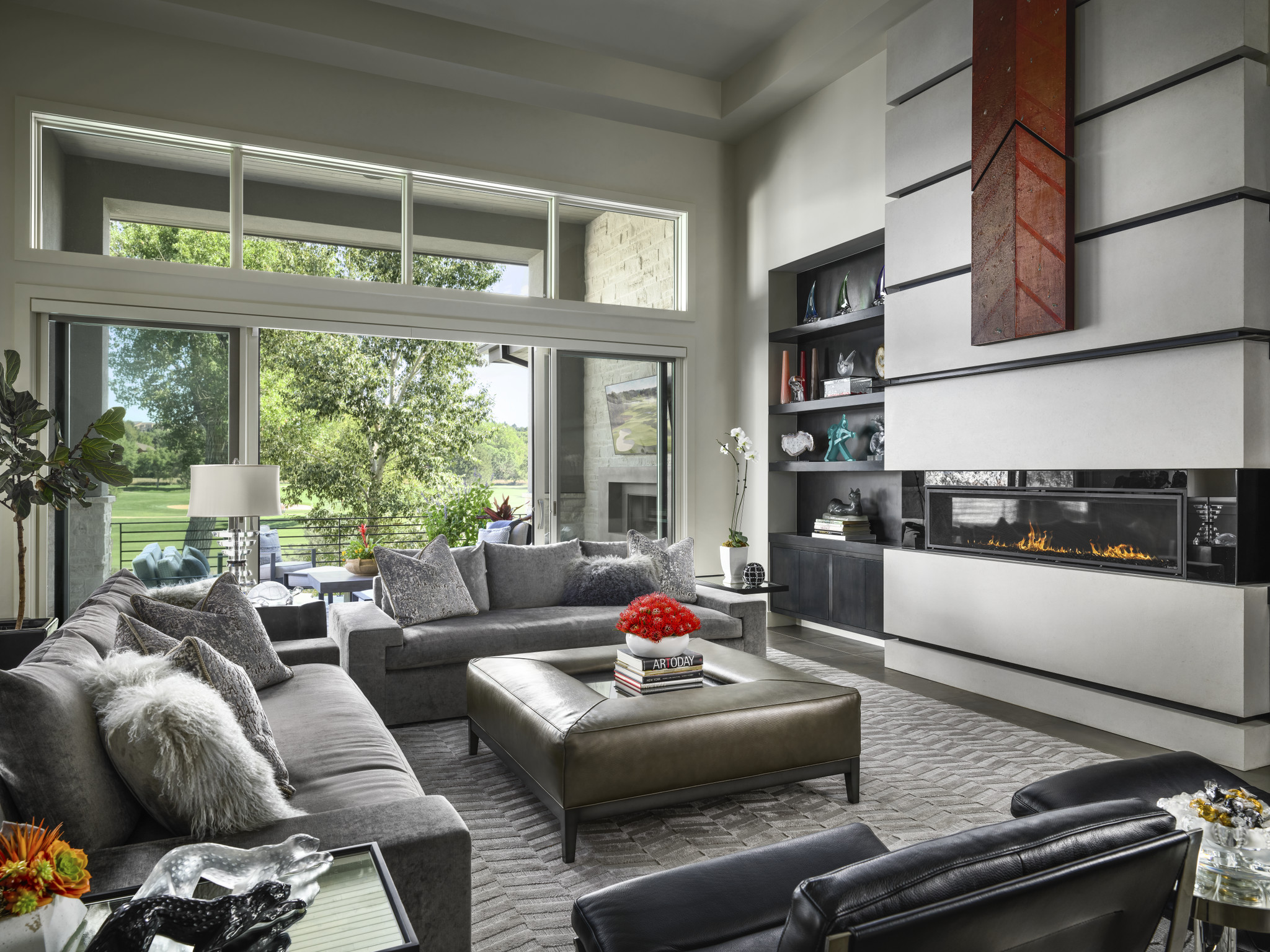
Credit: Houzz
Smart preparation transforms overwhelming projects into manageable steps. We help homeowners navigate design choices, budget realities, and functional needs without losing sight of their vision.
Setting Your Goals and Budget
Start by defining your priorities. Do you want better heat control? A modern focal point? Projects range from $200 paint refreshes to $2,000 tech upgrades. Our team recommends allocating funds for:
- Material quality (45-60% of budget)
- Labor costs (25-40%)
- Unexpected repairs (10-15%)
| Project Type | Average Cost | Timeline |
|---|---|---|
| Cosmetic Refresh | $200-$600 | 1-3 days |
| Full Remodel | $1,200-$2,000 | 5-10 days |
| Smart Tech Integration | $800-$1,500 | 3-7 days |
Identifying Your Style and Requirements
Your room’s architecture should guide design choices. Farmhouse lovers might choose chunky wood mantels, while modern spaces shine with sleek concrete surrounds. Measure your existing structure first—some updates need specific clearances or ventilation adjustments.
We’ve found 68% of clients blend old and new elements. A 1920s brick feature might get glass doors and LED lighting. This approach preserves charm while boosting efficiency.
Exploring Design Options and Aesthetic Trends
Your hearth’s design sets the tone for your entire room. We’re seeing homeowners blend bold innovation with classic warmth, creating spaces that feel both fresh and familiar. Let’s unpack today’s most compelling style directions.
Modern vs. Traditional Designs
Contemporary layouts favor clean lines and open concepts. Frameless glass fronts and double-sided units dominate new builds, offering unobstructed flame views. These designs work especially well in open-concept homes, connecting living areas visually.
Traditionalists often choose carved mantels or brick surrounds. Ornate details like corbels or tile mosaics add historical charm. Here’s how both styles compare:
| Feature | Modern | Traditional |
|---|---|---|
| Materials | Concrete, tempered glass | Brick, natural stone |
| Visual Impact | Sleek, minimalist | Warm, textured |
| Space Integration | Seamless blending | Defined focal point |
Color Combinations and Material Finishes
Neutral palettes remain popular for their versatility. Pair warm grays with brass accents for contemporary spaces, or cream tones with matte black for contrast. We recommend:
- Mixing matte and glossy surfaces
- Layering 2-3 complementary neutrals
- Using textured materials like fluted metal
Natural stone finishes rose 23% in popularity last year, according to design surveys. Quartz surrounds and ceramic tiles now rival classic brick in modern interior design schemes. These choices create visual interest without overwhelming your space.
| Color Scheme | Best With | Effect |
|---|---|---|
| Monochrome | Open layouts | Expansive feel |
| Earth tones | Wood accents | Cozy atmosphere |
| High-contrast | Modern furniture | Dramatic focal point |
Heat Types and Firebox Decisions

Credit: Houzz
Your home’s warmth hub deserves smart choices that match your lifestyle. We’ll compare three popular heat sources and explore structural options to help you create both cozy moments and efficient systems.
Wood-Burning, Gas, and Electric Options
Wood-burning units deliver that classic campfire vibe—crackling logs and earthy scents. They need regular cleaning and dry fuel storage, but nothing beats their rustic charm. The EPA notes older models can affect outdoor air quality, so consider newer EPA-certified designs.
Gas fireplaces light instantly with a switch or remote. Vent-free models require careful indoor air monitoring, while direct-vent types offer cleaner operation. They’re perfect for homeowners wanting consistent heat without maintenance hassles.
Electric alternatives win for simplicity. Plug into any outlet, adjust settings digitally, and enjoy supplemental warmth. While flames aren’t real, modern LED effects impressively mimic natural flickering.
| Feature | Wood | Gas | Electric |
|---|---|---|---|
| Ambiance | Authentic | Controlled | Customizable |
| Maintenance | High | Medium | Low |
| Efficiency | 40-60% | 70-90% | 99% |
Understanding Masonry and Prefab Fireboxes
Masonry fireplace construction uses bricks or stones built from the ground up. These heavy-duty structures last decades but require professional installation. Perfect for traditional homes needing permanent features.
Prefab units arrive as complete kits. Made from lightweight metals, they install faster and cost less. Many work with existing chimneys, making them ideal for quick updates. However, customization options stay limited compared to masonry builds.
We recommend matching your firebox choice to your home’s layout. Older houses often benefit from masonry’s stability, while newer constructions might prefer prefab flexibility.
Safety and Ventilation Considerations
Creating a safe heating feature starts with understanding critical protections. Proper airflow management and code compliance work together to prevent hazards while maintaining comfort. Let’s explore how to balance these elements effectively.
Meeting Regional Safety Codes
Local regulations dictate specific requirements for heating systems. Over 40% of U.S. states now mandate annual inspections for existing structures. Always check municipal guidelines for:
- Required clearance distances from combustibles
- Permit processes for structural changes
- Approved materials for flue liners
We help clients navigate these rules, especially when updating older homes. Recent code updates in California and Texas, for example, require carbon monoxide detectors near all fuel-burning units.
Ensuring Proper Ventilation and Airflow
A correctly sized chimney flue prevents smoke from entering living areas. The Golden Rule? Your flue’s cross-sectional area should match 10% of the firebox opening. Too narrow, and dangerous backdrafts occur. Too wide, and heat escapes inefficiently.
Modern systems often include makeup air vents that pull fresh oxygen from outside. This maintains indoor air quality while preventing negative pressure buildup. Pair these with tempered glass doors for added safety and heat control.
Incorporating Smart Fireplace Features
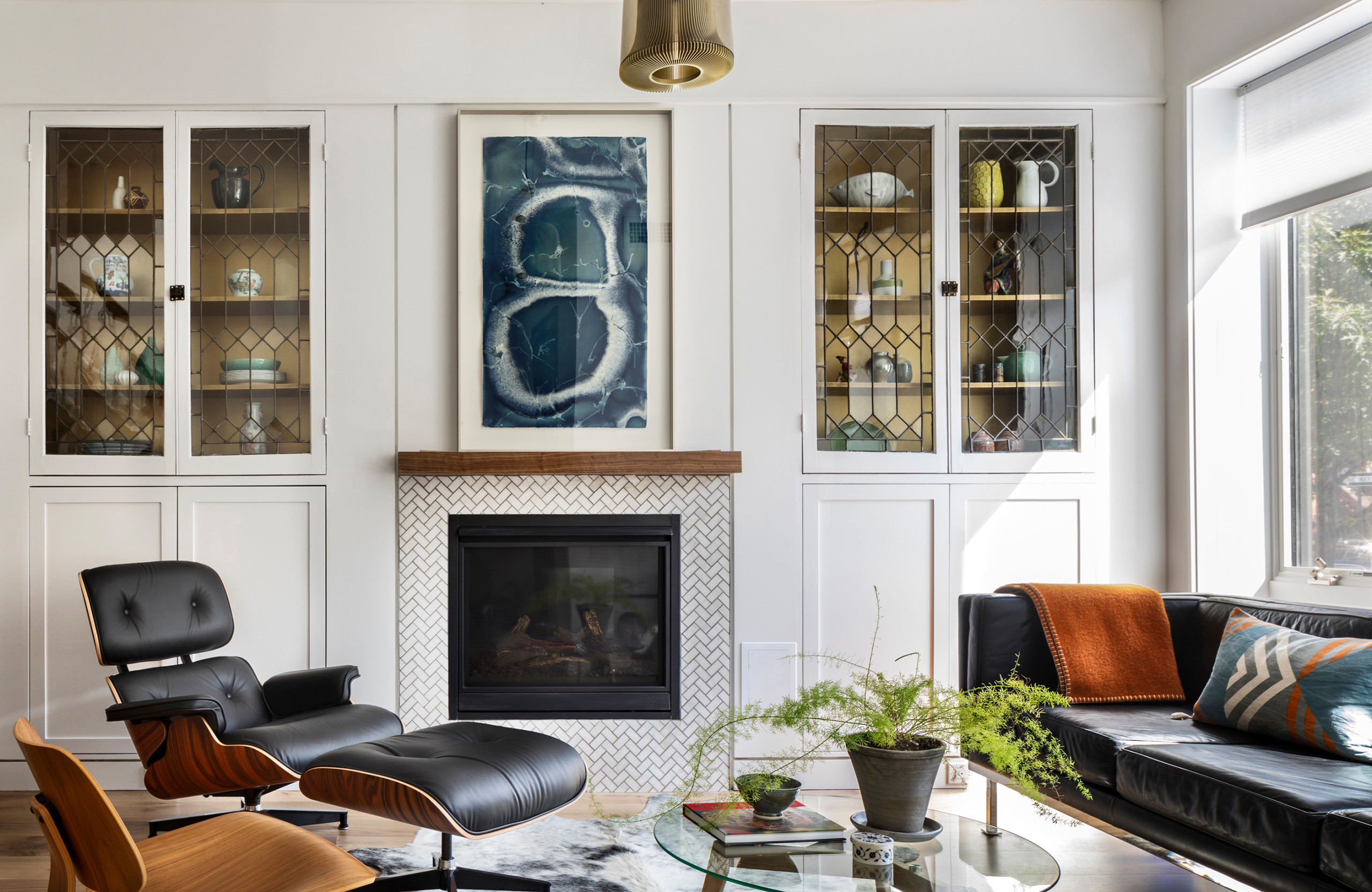
Credit: Houzz
Modern heating systems now blend comfort with cutting-edge technology. Our team explores intelligent solutions that simplify daily use while enhancing efficiency. These updates transform basic warmth into responsive environments tailored to your lifestyle.
Remote Management Through WiFi
Control your heat source from anywhere using smartphone apps. Adjust flame height or temperature while commuting home. Voice commands work with Alexa and Google Home for hands-free operation.
Advanced thermostats maintain perfect air temperature automatically. They learn your schedule and adjust output accordingly. Safety sensors detect irregular conditions, triggering instant shutdowns if needed.
Automated Efficiency Upgrades
Programmable settings reduce energy waste significantly. Set specific operating times for weekdays versus weekends. Eco-modes optimize heat distribution based on room occupancy.
| Smart Feature | Benefit | Savings Potential |
|---|---|---|
| Zone Heating | Warms used spaces only | 18-22% |
| Usage Reports | Tracks energy patterns | 15% avg. reduction |
| Auto Shutoff | Prevents overnight waste | 27% weekend savings |
Professional installation ensures seamless integration with existing systems. Certified technicians verify proper venting and electrical connections. Explore hybrid options that combine gas convenience with electric precision for versatile performance.
Creative Mantel and Surround Ideas

Credit: Houzz
The right frame transforms a heat source into art. We’ll explore three approaches that blend form and function while reflecting modern design sensibilities. Each option offers distinct advantages for different lifestyles and aesthetics.
Floating and Custom Mantels
Floating mantels create visual magic by appearing weightless. These shelf-like designs work beautifully in contemporary spaces, offering clean lines and practical display areas. Custom-built options let you match unique room dimensions or architectural details.
One client paired a 7-foot floating oak mantel with hidden LED lighting. The result? A dramatic focal point that doubled as a bookshelf. This approach maximizes vertical space while maintaining minimalist appeal.
Reclaimed Wood and Natural Stone Options
Salvaged barn wood brings warmth and history to modern interiors. Each piece tells a story through its knots and weathering patterns. Designers often pair these textured elements with sleek metal accents for balance.
Natural stone surrounds make bold statements. Marble and limestone offer timeless elegance, while granite provides rugged durability. Manufactured alternatives replicate these looks at lower costs without sacrificing style.
| Material | Best For | Maintenance |
|---|---|---|
| Reclaimed Wood | Rustic/Industrial | Annual sealing |
| Marble | Luxury Spaces | Monthly polishing |
| Concrete | Modern Designs | Dust regularly |
Contrasting Materials for Unique Looks
Mixing textures creates depth and intrigue. Try pairing matte black steel with rough-hewn stone, or glossy ceramic tiles with weathered timber. These combinations work particularly well in transitional spaces blending old and new.
We recently designed a surround using fluted metal panels beside a chiseled limestone hearth. The interplay of smooth and rugged surfaces became the room’s defining feature. Always test material samples under different lighting conditions before finalizing choices.
Revamping Existing Fireplaces for a Modern Look
Breathing new life into classic hearths requires balancing heritage with innovation. We help homeowners honor architectural roots while introducing contemporary comforts. Let’s explore strategies that preserve character while boosting performance.
Updating Fireboxes and Surrounds
Original structures often need functional upgrades. Designer Keia McSwain transformed a 1930s feature by installing a new firebox with hand-laid tiles. The elongated shapes added depth while maintaining historical accuracy.
| Feature | Traditional | Modern |
|---|---|---|
| Materials | Brick, natural stone | Tempered glass, steel |
| Maintenance | Annual sealing | Low upkeep |
| Aesthetic | Rustic charm | Sleek lines |
Integrating Modern Elements with Rustic Charm
Brooklyn designer Delia Kenza proves old and new can coexist beautifully. Her brownstone project pairs original brickwork with a smokeless wood stove. “We kept the arched opening but added hidden air filters,” she notes.
- Use matte black finishes on original stone
- Install LED lighting inside mantel shelves
- Hide smart thermostats behind reclaimed wood
“Respect the past while writing the next chapter.”
Outdoor Fireplace and Firepit Ideas
Great backyards become natural gathering spots with the right warmth source. We help homeowners extend their comfort zones beyond four walls, creating inviting environments that work year-round. Unlike indoor setups, these installations merge practicality with landscape artistry.
Designing for Open-Air Living Spaces
Weather-resistant materials make all the difference. Powder-coated steel or cast concrete withstand rain and snow while maintaining style. Local permits often mirror indoor requirements—check clearance rules and ventilation needs before breaking ground.
Freestanding units offer flexibility for patios or pool areas. Wall-mounted designs connect seamlessly to home exteriors, acting as architectural anchors. Consider your yard’s sightlines: A central fireplace draws eyes, while tucked-away firepits encourage intimate conversations.
| Feature | Freestanding | Wall-Mounted |
|---|---|---|
| Installation | Any flat surface | Requires load-bearing wall |
| Cost | $1,200-$4,000 | $2,500-$6,000 |
| Best Use | Large yards | Compact spaces |
Firepits simplify the process but lack presence. As designer Sarah Barnard notes, “A full-height feature transforms unused corners into destinations.” We’ve seen stone-clad fireplaces double as outdoor kitchen backdrops, marrying function with ambiance.
Smart layouts blend heat sources with seating areas. Leave 8-10 feet between flames and furniture for safety. Add weatherproof storage for blankets or tools—details that elevate your living space from seasonal novelty to four-season retreat.
Masonry vs. Prefab: Choosing the Right Materials
The bones of your heating feature determine its lifespan and character. Two paths dominate modern builds: masonry construction rooted in craftsmanship, and prefab systems prioritizing speed. Let’s explore which approach aligns with your home’s needs and design goals.
| Factor | Masonry | Prefab |
|---|---|---|
| Installation | Built from foundation | Pre-assembled unit |
| Cost | $4,000-$10,000+ | $1,500-$5,000 |
| Lifespan | 50+ years | 15-25 years |
| Customization | Unlimited options | Standard sizes only |
Material Trends and Design Durability
Natural stone remains a top choice for masonry fireplace builds, with quartzite and soapstone gaining traction. These materials resist heat damage while adding organic texture. For prefab units, powder-coated steel surrounds now mimic hand-chiseled looks at lower costs.
Modern designs blend traditional appeal with low-maintenance benefits. Consider these factors:
- Local climate impacts material expansion rates
- Frequent use demands thicker firebox walls
- Manufactured stone requires 40% less upkeep than natural variants
We’ve seen clients save 18% on long-term costs by choosing prefab for seasonal homes. Full masonry makes sense for primary residences where daily use justifies the investment. Always consult local codes—some regions restrict prefab installations in historic districts.
Fireplace Renovation: Decisions That Define Your Look
Your heating feature’s transformation impacts both daily comfort and long-term value. We focus on solutions that merge visual appeal with measurable performance improvements. The right updates create inviting atmospheres while cutting energy costs.
Where Style Meets Substance
Modern fireplace remodel projects achieve 70% better heat output than older models through improved engineering. This leap from 10% efficiency in traditional setups means real savings during chilly months. Choose materials that complement your room’s proportions—slim profiles with clean lines expand smaller spaces visually.
Streamlined Solutions for Modern Living
Linear gas fireplaces redefine contemporary aesthetics. Their horizontal flame patterns stretch across walls like living art pieces. Pair these with minimalist surrounds to emphasize their sculptural quality.
Smart updates shouldn’t sacrifice warmth for style. We balance bold looks with practical benefits like zoned heating controls. The result? Features that feel intentional year-round—not just when the flame dances.
FAQ
What safety codes should I prioritize during a remodel?
Always check local regulations for clearance distances, ventilation, and materials. For gas fireplaces, certified installation is key. We also suggest adding non-combustible surrounds and updating chimney liners to meet current standards.
Can I convert my wood-burning hearth to electric?
Yes! Electric inserts are a flexible option. They fit into most existing fireboxes, require no venting, and offer adjustable flame effects. We love pairing them with sleek mantels for an instant refresh.
Are floating mantels a practical choice?
Absolutely. Floating designs save space and highlight materials like marble or steel. Just ensure proper mounting to support the weight. For a bold look, pair them with contrasting tile or geometric patterns.
How do prefab fireboxes compare to masonry?
Prefab units are quicker to install and cost-effective, ideal for gas or electric setups. Masonry offers durability and customization but requires skilled labor. We’ll help you weigh heat output, budget, and design goals.
What outdoor options work for small patios?
Compact fire pits or linear gas burners maximize tight spaces. Use weather-resistant materials like concrete or corten steel. Add built-in seating with stone veneer to create a cozy, open-air vibe without crowding the area.
Can smart features improve energy efficiency?
Definitely! WiFi-enabled thermostats let you control heat remotely, while zone heating reduces overall usage. We also integrate ventless ethanol burners or electric flames for eco-friendly ambiance with zero emissions.
How do I update a dated brick surround?
Try whitewashing or German schmear for a fresh look. Alternatively, layer tile or stacked stone over the brick. For a dramatic shift, frame the opening with black steel and add a chunky wood mantel as a focal point.