
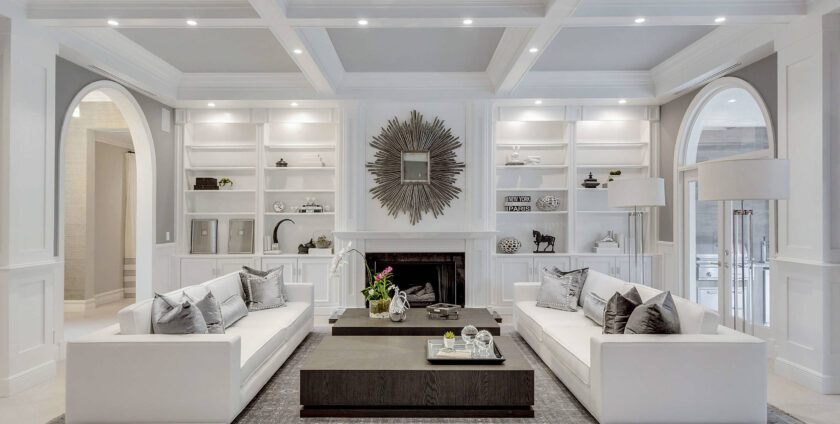
There’s something magical about a hearth that draws people together. For centuries, these architectural centerpieces have anchored living spaces, offering both warmth and visual charm. As interior expert Tracy Svenden notes, “A well-crafted hearth transforms a room by giving it purpose and personality.” It’s no wonder they remain a top choice for those seeking to elevate their interiors.
What makes these features stand the test of time? They balance practicality with artistry. A thoughtfully crafted hearth isn’t just a heat source—it’s a canvas for self-expression. Whether framed by intricate mantels or minimalist lines, a traditional fireplace design becomes the heart of your space, inviting conversation and connection while adding timeless character to your home.
Versatility is another key strength. These elements adapt effortlessly to modern farmhouse aesthetics, cozy cottages, or even eclectic urban lofts. Their ability to harmonize with diverse décor styles ensures they never feel outdated. Plus, they add measurable value to properties, making them a smart investment.
In this guide, we’ll uncover why generations have cherished these classic features. From their role as natural gathering spots to their power to elevate everyday moments, you’ll discover how to make them work in your own space.
Key Takeaways
- Creates an instant focal point that enhances room layout
- Provides both physical warmth and emotional ambiance
- Blends seamlessly with multiple interior styles
- Adds lasting value to your property
- Encourages meaningful social interactions
Setting the Stage for Timeless Fireplace Charm
Credit: Better Homes & Gardens
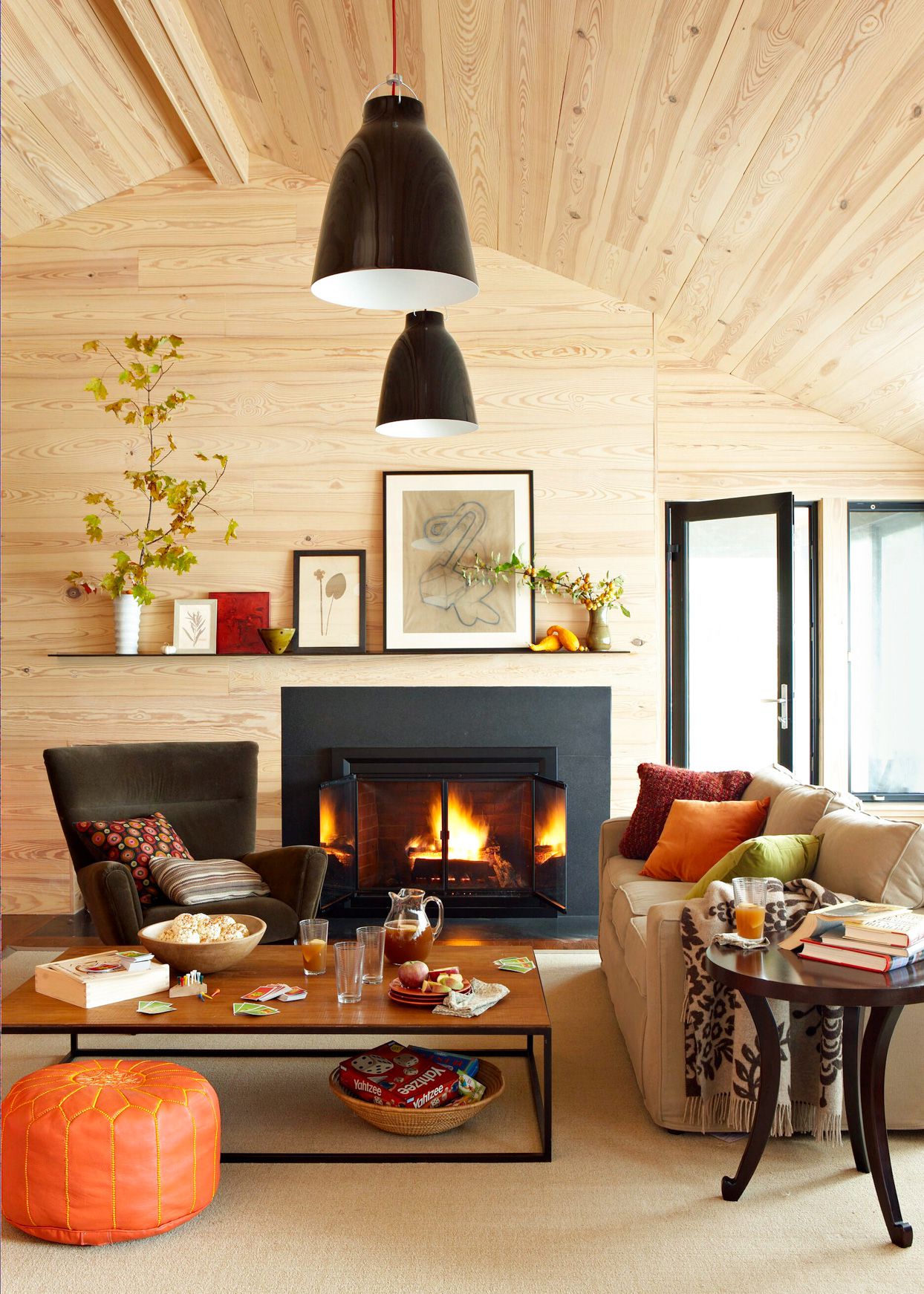
Great rooms begin with intentional gathering spots. We focus on creating features that balance beauty and purpose, blending seamlessly with your lifestyle. “A room’s soul emerges when its centerpiece feels both familiar and inspiring,” notes interior stylist Mara Linthicum. This philosophy guides our approach to crafting spaces people naturally gravitate toward.
Our Design Philosophy
We see hearth areas as conversation starters. Every element—from proportions to materials—works to enhance daily life. Think of it as functional art: warmth meets welcoming aesthetics.
Three principles shape our work:
- Harmony: Features should complement room dimensions and color schemes
- Balance: Ornate details coexist with clean lines
- Longevity: Choices withstand shifting trends
| Classic Element | Modern Application | Impact |
|---|---|---|
| Carved mantels | Simplified profiles | Preserves character without clutter |
| Brick surrounds | Whitewashed finishes | Brightens while adding texture |
| Iron tools | Brass accents | Updates rustic charm |
Your living room deserves a focal point that evolves with you. Whether anchoring cozy nights or holiday gatherings, we create spaces that feel effortlessly yours. The right arrangement invites connection, turning houses into homes.
What Defines a Traditional Fireplace Design
Credit: Better Homes & Gardens
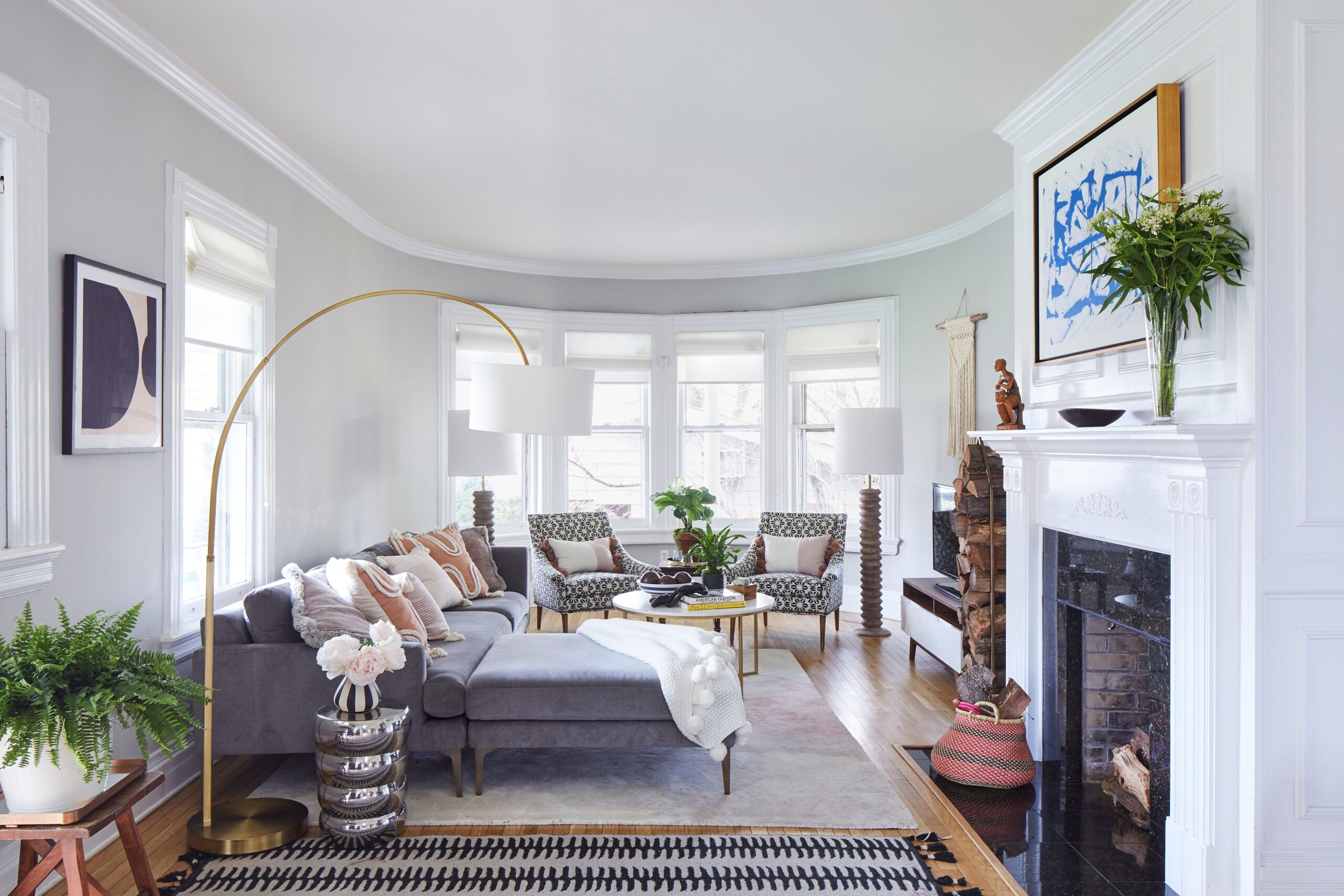
Architectural heritage shapes our living spaces in profound ways. Classic hearths reflect centuries of cultural evolution, blending practical warmth with artistic expression. Let’s uncover what makes these features endure through changing trends.
Historical Inspirations
Georgian symmetry, Victorian ornamentation, and Colonial simplicity all inform today’s hearth aesthetics. “Every curve and corner tells a story,” observes preservationist Clara Whitmore. Eighteenth-century craftsmen focused on balanced proportions, while 19th-century designs embraced intricate carvings. These eras prioritized locally sourced materials—think Pennsylvania fieldstone or reclaimed chestnut beams.
Essential Features
Three pillars define authentic styles:
- Proportional harmony: Mantels align with room dimensions
- Material integrity: Natural stone or quality wood surrounds
- Artisan details: Hand-tooled iron accents or fluted columns
Symmetry remains crucial. A centered opening flanked by built-in shelving creates visual equilibrium. This approach ensures the feature complements rather than competes with your interior. Modern updates often retain these core principles while adapting finishes for today’s lifestyles.
Key Elements of Traditional Fireplace Aesthetics
Credit: Better Homes & Gardens
Every element in a classic hearth tells a story of form and function. We’ll explore how craftsmanship and material choices create spaces that feel both inviting and intentional. Let’s dive into what gives these features their enduring appeal.
Fireplace Mantels & Surrounds
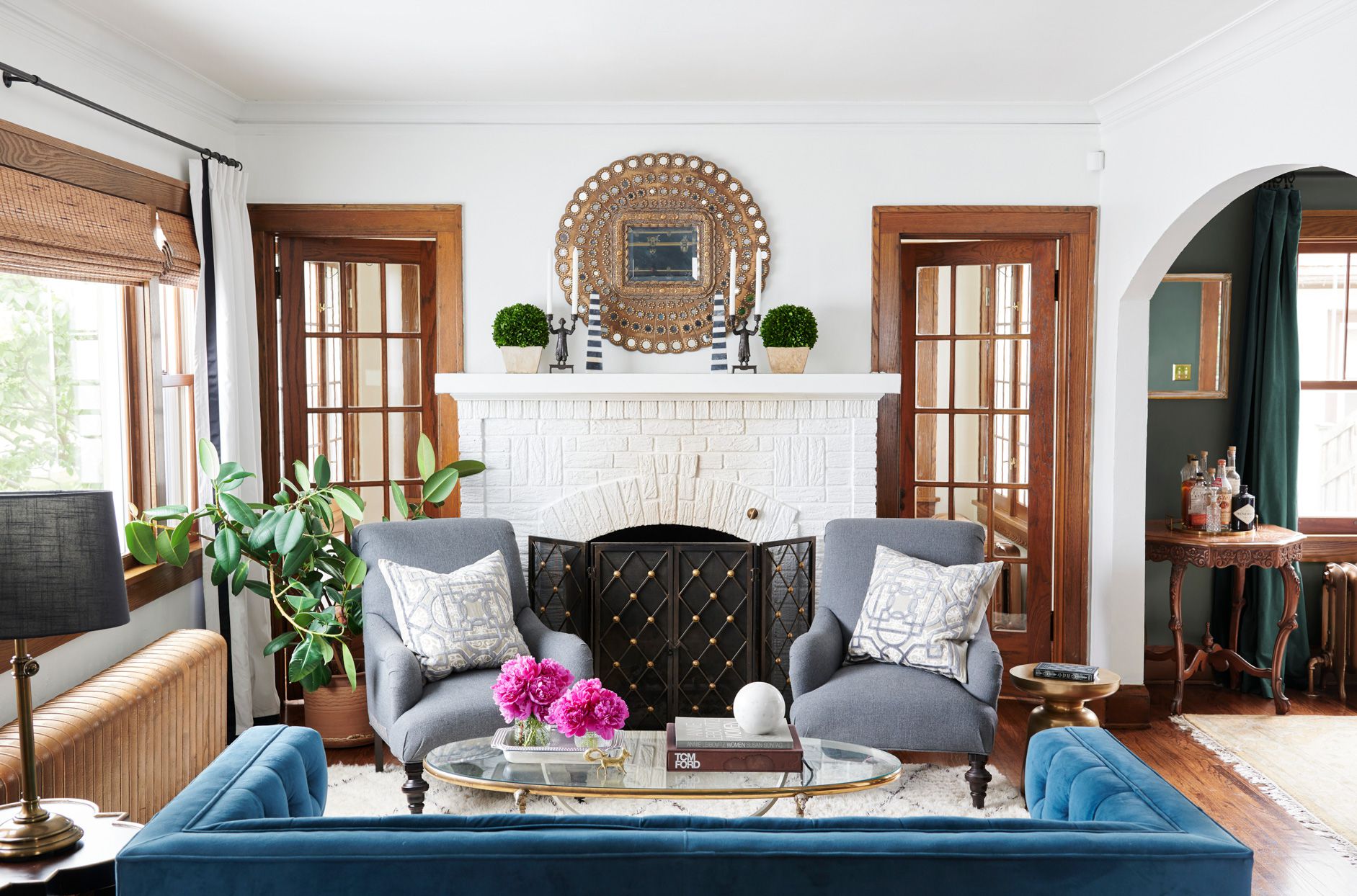
Mantels anchor rooms like jewelry completes an outfit. They offer practical shelving while showcasing artistry—think dentil molding or hand-carved botanical motifs. Surrounds frame the firebox, setting the tone through material choices like veined marble or rugged brick.
Simple brick installations whisper understated elegance, while stonework with chiseled edges makes a bold statement. “A surround should enhance without overwhelming,” advises stonemason Eli Reyes. This balance ensures the feature remains versatile across décors.
Material & Texture
Natural stone and hardwoods dominate authentic builds. Marble’s luminous veins add sophistication, while limestone’s granular surface brings earthy warmth. Textured materials create depth—rough-hewn beams contrast beautifully with polished brass tools.
Consider these pairings:
- Wood mantels: Rich walnut or white oak with minimal stain
- Stone surrounds: Stacked slate or honed travertine
- Metallic accents: Hammered iron or brushed nickel
These choices ensure your hearth feels tactile and visually engaging. Whether you prefer subtle grain patterns or striking mineral deposits, materials become the silent narrators of your space.
Inspiring Fireplace Surround Ideas
Credit: Better Homes & Gardens
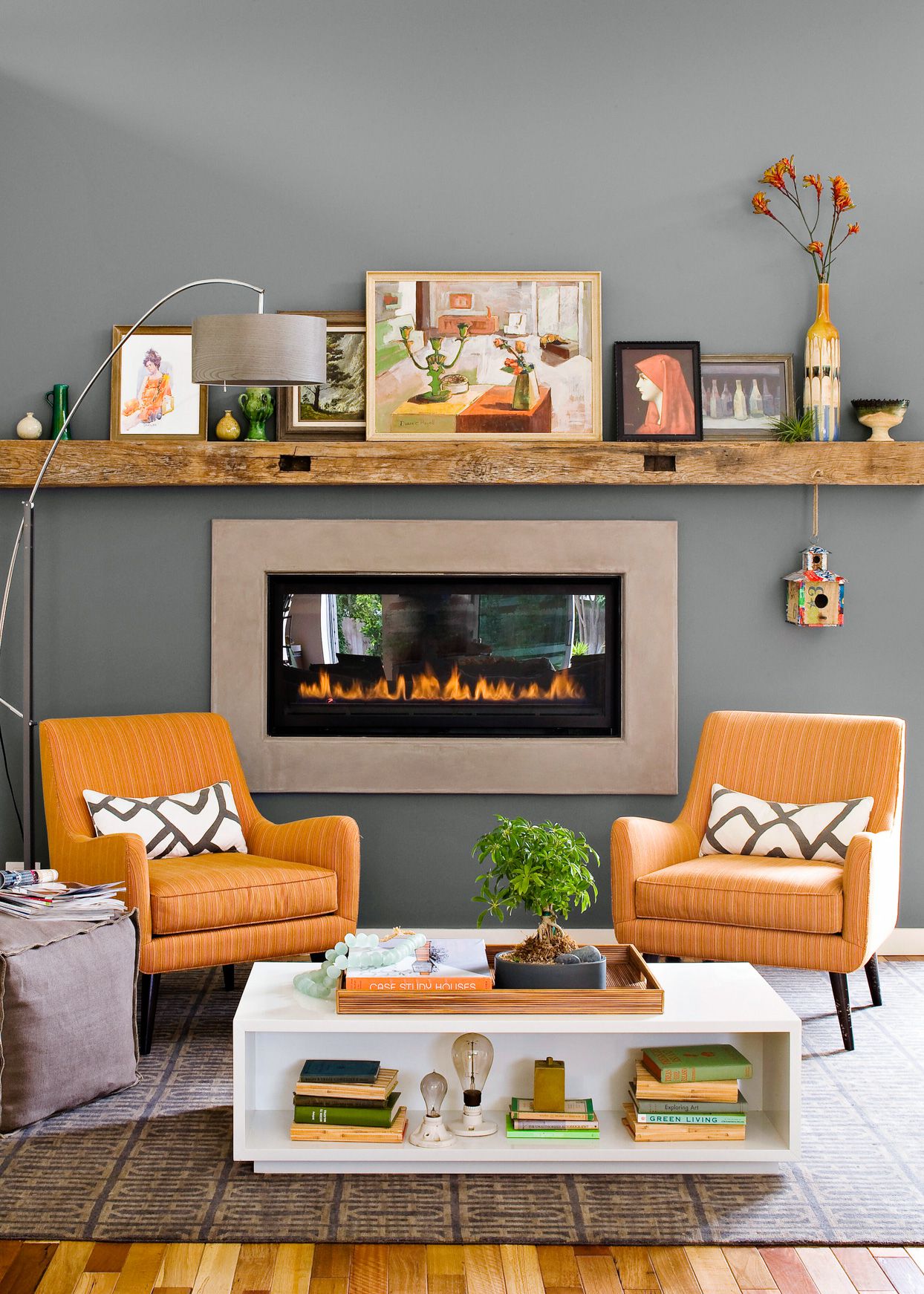
Material choices make all the difference when elevating your hearth’s visual impact. At Bedrosians, options like Rebel Night black matte porcelain bring contemporary edge, while Marbled Wire Mesh in Glacier White offers crisp texture. These surfaces transform functional elements into artistic statements that command attention.
Stone and Marble Accents
Natural stone brings earthy authenticity to any setting. Rustic fieldstone creates cottage charm, while polished granite delivers sleek modernity. For timeless appeal, Carrara marble remains a top pick—its soft gray veins pair beautifully with both vintage and minimalist décors.
Dramatic veined varieties like Calacatta Gold make bold centerpieces. “Luxury materials should enhance without dominating,” notes Bedrosians lead designer Lauren Pike. Textured slate or stacked limestone surrounds work particularly well in homes seeking organic warmth.
Elegant Finishes
Surface treatments unlock hidden potential in raw materials. Honed finishes offer understated sophistication, perfect for formal spaces. Polished surfaces reflect light brilliantly, amplifying smaller rooms. For tactile interest, consider leathered travertine or bush-hammered granite.
Neutral stone surrounds act as versatile backdrops for décor changes. Pair white marble with brass sconces for classic contrast, or match charcoal slate with matte black fixtures for urban edge. Always consider your room’s existing textures and lighting when selecting finishes.
Exploring Traditional Fireplace Design Techniques
Mastering spatial harmony transforms rooms into inviting sanctuaries. Interior experts use proven methods to ensure your hearth becomes a natural extension of your home’s architecture. “The magic happens when architecture and intention align,” says designer Clara Whitmore. Let’s explore how professionals craft cohesive installations.
Symmetry remains foundational in classic layouts. Centered placements between windows or bookshelves create visual balance. Proper scaling ensures proportions match your space—larger rooms demand grander mantels, while compact areas benefit from streamlined profiles.
| Classic Technique | Contemporary Approach | Room Impact |
|---|---|---|
| Symmetrical layout | Asymmetrical built-ins | Enhances flow |
| Proportional scaling | Custom depth adjustments | Prevents overcrowding |
| Material blending | Mixed metallic accents | Adds depth |
Built-in cabinetry integration solves practical needs. Flanking shelves display cherished items while hiding media components. This approach maintains clean sightlines from multiple angles. For rooms with challenging layouts, corner installations maximize unused space.
Color coordination ties everything together. Repeating wall hues in mantel materials creates continuity. Contrasting hearth tiles add personality without clashing. Neutral surrounds let bold furnishings shine, while rich wood tones warm minimalist spaces.
These methods create installations that feel intentional yet adaptable. By honoring architectural roots while addressing modern lifestyles, your hearth becomes a timeless anchor for daily life.
Integrating Modern Farmhouse and Rustic Styles
Blending contemporary comfort with rural nostalgia creates spaces that feel both fresh and familiar. Take Lauren Smyth’s recent project: a modern farmhouse living room featuring vertical shiplap and floating walnut shelves. Her use of Sherwin Williams Rustic Gray stain on the mantel pairs perfectly with Bedrosians’ Casablanca tiles, proving rustic charm can coexist with sleek functionality.
Signature Elements That Sing
Farmhouse style thrives on authentic textures. Reclaimed wood beams add instant heritage, while matte ceramic tiles keep surfaces easy to clean. “The magic lies in balancing raw materials with purposeful simplicity,” Smyth explains. Her design mixes rough-hewn textures with crisp lines—like pairing a chunky mantel with streamlined brass tool hooks.
Color choices ground these spaces. Warm grays and creamy whites form neutral backdrops, letting natural materials shine. Earthy accents—think terracotta pots or woven baskets—inject warmth without clutter. For subtle contrast, try deep charcoal grout with white subway tiles.
- Vertical shiplap adds height to compact rooms
- Floating shelves display curated collections
- Vintage-inspired sconces enhance ambient lighting
Want to test the waters? Start small. Swap out metallic accents for black iron handles. Add a chunky knit throw near the seating area. These tweaks nod to farmhouse roots while keeping your space feeling current.
Living Room Focal Points: Your Fireplace as the Star
Every great living area needs an anchor that commands attention while welcoming connection. Studio McGee masters this by pairing rich midnight-blue walls with cream velvets near hearths, proving how color and texture elevate focal points. “A well-styled space tells your story before you speak,” says designer Lindye Galloway. Her work shows how these features unify rooms while reflecting personal flair.
Arrange seating to frame your centerpiece without crowding it. Try these strategies:
- Angle sofas toward the hearth with side tables for drinks
- Use low-profile chairs to maintain sightlines
- Layer rugs to define conversation zones
Lighting amplifies impact. Flanking sconces cast warm glows on stone textures, while hidden LEDs highlight mantel displays. For daytime appeal, position mirrors to bounce natural light across the surround’s details.
“Balance bold statements with breathing room. Let your focal point shine by keeping nearby walls neutral and décor intentional.”
In open-concept spaces, position the hearth between kitchen and seating zones to guide flow. Compact rooms benefit from vertical displays—stacked art or tall plants draw eyes upward. Remember: your living area’s star should feel approachable, not overly formal. Add throw blankets or family photos to keep the vibe welcoming.
Designer Insights: Curated Ideas from Top Studios
Visionary creators shape how we experience warmth and beauty in our homes. Leading design studios reveal fresh approaches to crafting hearth areas that spark joy and conversation. Let’s explore how industry icons blend artistry with livability.
Influential Designer Perspectives
Jeremiah Brent reimagines classic elements through a contemporary lens. His living spaces often feature marble surrounds flanked by antique mirror panels. Overlapping artwork draws eyes upward, creating layered depth. “Vertical arrangements trick the brain into perceiving height,” he notes.
Studio McGee masters tonal harmony in their projects. Rich navy walls frame brass-accented features, while curved mirrors soften angular layouts. Their secret? Balancing bold focal points with tranquil neutral furnishings.
| Designer | Key Element | Material Pairing | Visual Effect |
|---|---|---|---|
| Jeremiah Brent | Antique mirrors | Marble + gilded frames | Expands space vertically |
| Studio McGee | Curved reflectors | Brass + deep hues | Enhances coziness |
| Heidi Callier | Color-drenched walls | Taupe + black stone | Creates dramatic contrast |
Interior designer Heidi Callier champions immersive color techniques. Warm taupe walls make black marble surrounds pop, proving neutrals needn’t play safe. Her work demonstrates how tonal saturation elevates textural details.
These approaches share a common thread: respecting heritage while embracing modern lifestyles. Whether through reflective surfaces or daring color choices, today’s creators prove hearth areas remain essential for meaningful connection.
Material Mastery: Marble, Stone, and Mixed Finishes
Material choices shape rooms like fingerprints define identity. We’ll help you navigate premium options that elevate your space while respecting its architecture. Whether drawn to marble’s timeless elegance or stone’s raw authenticity, your selection becomes the silent storyteller of your home.
Choosing the Perfect Material
Marble transforms ordinary spaces into galleries of light and shadow. Pietra Grey’s dramatic veining makes bold statements, while Bedrosians’ Glacier White slabs offer crisp modernity. As designer Lauren Pike advises, “Luxury materials should enhance without dominating.” Pair these with rough-hewn beams for rustic contrast or polished metals for urban edge.
Natural stone brings earth’s artistry indoors. Consider these options:
| Material | Best Use | Maintenance | Visual Impact |
|---|---|---|---|
| Pietra Grey Marble | Statement walls | Moderate sealing | Dramatic contrast |
| Fieldstone | Cottage styles | Low upkeep | Organic texture |
| Glacier White Slabs | Modern spaces | Easy cleaning | Crisp brightness |
| Mixed Finishes | Custom looks | Varies | Layered depth |
Combining materials unlocks personal expression. Try matte porcelain ledgers with wood accents for warmth. Balance budgets by using marble as focal points and stone elsewhere. Remember: durable selections withstand daily life while maintaining beauty.
We prioritize practicality alongside aesthetics. Seal porous stones in high-traffic areas. Choose honed finishes to hide smudges. Your choices should reflect lifestyle needs as much as visual preferences—creating spaces that age gracefully with your family.
Bold Color and Texture: Accenting Your Fireplace Wall
Color wields transformative power in home interiors, especially when applied to architectural focal points. Interior designer Heidi Callier demonstrates this through warm taupe walls that create striking contrast against black marble. “Rich hues elevate millwork details while anchoring the entire space,” she notes. This approach turns functional elements into curated statements.
Using Painted Accents
Deep moss green mantels showcase how strategic paint choices command attention. Try these techniques:
- Color-drenching: Match walls and trim for immersive depth
- Accent walls: Frame the feature with darker tones
- Contrast trims: Highlight carvings with contrasting shades
Matte finishes emphasize texture, while satin sheens reflect light beautifully. Pair bold colors with neutral furnishings to maintain balance.
Balancing Neutrals
Neutral palettes provide adaptable foundations. Warm greiges and soft ivories let material textures shine. Consider these pairings:
| Wall Color | Texture Pairing | Effect |
|---|---|---|
| Warm white | Rough-hewn stone | Adds organic contrast |
| Mushroom taupe | Polished brass | Creates modern warmth |
| Slate gray | Woven rattan | Enhances casual elegance |
Layering multiple neutrals prevents flatness. Vary sheens between matte walls and glossy trim for subtle dimension.
Innovative Fireplace Surrounds and Custom Mantels
Modern craftsmanship meets heritage warmth in today’s most striking hearth installations. Design studios like House of Jade push boundaries with organic plaster fluting—a technique developed through months of material experimentation. “We wanted to create depth that feels both ancient and utterly new,” shares their lead artisan. The result? Curved textures that dance with light, transforming walls into sculptural masterpieces.
Reena Sotropa’s team proves innovation thrives in smart spatial solutions. Their vertical fluted millwork wraps around modern hearths, creating optical illusions that stretch compact rooms. This approach maintains clean lines while adding rhythmic texture—perfect for open-concept spaces needing definition.
| Studio | Technique | Material Innovation |
|---|---|---|
| House of Jade | Hand-troweled plaster | Custom aggregate blends |
| Reena Sotropa | Fluted wood panels | Low-profile steel backing |
Bespoke mantels now adapt to architectural quirks with precision. Imagine reclaimed oak beams contoured to fit angled ceilings, or minimalist steel shelves floating beneath original moldings. These tailored solutions honor a room’s bones while delivering fresh character.
For those seeking personal flair, consider mixed-media surrounds. Combine matte ceramic tiles with hammered brass accents. Pair rough-cut stone ledgers with smooth plaster finishes. Your hearth becomes a canvas where time-honored materials meet contemporary vision.
Enhancing Your Living Area with Cozy Accents
Breathing life into your space starts with thoughtful layers that invite relaxation. We focus on elements that wrap rooms in comfort while reflecting personal style. Think of it as creating a sensory experience—soft textures meet purposeful arrangements.
Adding Warm Textiles
Fabric choices make cold corners feel instantly welcoming. Drape chunky knit throws over armchairs or layer sheepskin rugs near seating zones. These touches add tactile warmth while softening hard surfaces. For seasonal flexibility, swap linen pillow covers for velvet ones as temperatures drop.
Lighting plays a supporting role in this symphony of comfort. Place table lamps with fabric shades beside reading nooks to cast gentle glows. “Ambient light should hug your space like a favorite sweater,” notes lighting designer Mara Linthicum.
Complete the look with curated mantel accessories. Cluster tapered candles beside weathered books or display ceramic vases with dried botanicals. These details create visual interest without clutter. Remember: your living area thrives when every piece feels intentional yet effortless.
FAQ
What materials work best for a modern farmhouse fireplace surround?
We love mixing reclaimed wood with sleek steel or white plaster for contrast. Marble accents add elegance, while brick offers rustic charm. For a cohesive look, pair these with neutral walls and minimalist decor inspired by studios like Jeremiah Brent Design.
Can we blend bold colors into a traditional fireplace wall?
Absolutely! Try a deep navy or olive-green plaster surround paired with neutral tones in the living area. For subtle drama, use painted panels or textured tiles. Balance vibrant hues with natural materials like stone or wood to keep the space grounded.
How do designers like those featured in Architectural Digest style fireplace walls?
Top studios often focus on texture contrast—think rough stone against smooth marble. They might add a custom steel mantel or layered artwork. Pro tip: Extend the surround floor-to-ceiling to create visual height, especially in smaller spaces.
What’s the secret to choosing the right mantel for our space?
Scale is everything. In cozy rooms, opt for slim profiles in oak or painted MDF. For grand spaces, go bold with chunky limestone or reclaimed beams. Mix materials—like a wood mantel atop a stone surround—to add dimension without overwhelming the room.