
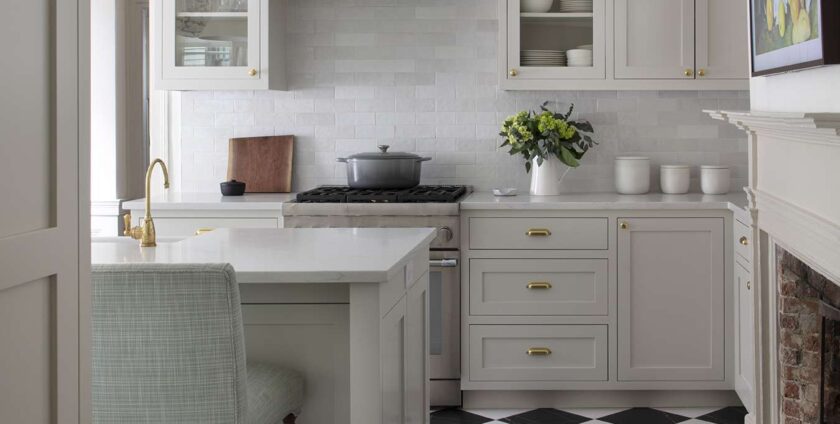
Creating the perfect kitchen and floor tile combinations requires understanding design principles, material properties, and aesthetic harmony. In 2025, homeowners are seeking cohesive kitchen tile designs that balance visual interest with timeless appeal. This comprehensive guide provides expert kitchen tile coordination tips to help you achieve stunning, harmonious results that enhance your kitchen’s overall design.
Understanding Kitchen Tile Coordination Fundamentals
The Importance of Tile Harmony
Tile harmony in kitchen design creates visual flow and sophistication throughout your space. Well-coordinated tiles establish a cohesive foundation that ties together all other design elements, from cabinetry to countertops.
Design Flow Principles
Kitchen tile layout ideas should consider how the eye moves through the space:
- Vertical elements (backsplash) should complement horizontal elements (floor)
- Transitions between different areas need visual continuity
- Scale and proportion must work together harmoniously
- Color temperature should remain consistent throughout
Functional Considerations
Matching kitchen wall and floor tiles must also serve practical purposes:
- Floor tiles need superior durability and slip resistance
- Wall tiles can prioritize aesthetics over heavy-duty performance
- Maintenance requirements should be compatible
- Installation methods may differ between applications
Budget and Timeline Planning
Floor and backsplash tile ideas should align with project constraints:
- Coordinate purchases to ensure color matching
- Plan installation sequence for optimal results
- Consider long-term availability for future repairs
- Balance premium and budget-friendly options strategically
Matching vs. Contrasting Tile Strategies

Credit: Houzz
Perfect Matching Approaches
Matching kitchen wall and floor tiles creates seamless, sophisticated looks:
Identical Tile Throughout
- Same tile on floors and walls creates unity
- Works best with neutral colors and simple patterns
- Requires careful attention to grout color selection
- Creates clean, minimalist aesthetic
Same Material, Different Sizes
- Use large format floor tiles with smaller wall tiles
- Maintains material consistency while adding visual interest
- Popular with natural stone and porcelain options
- Allows for different installation patterns
Coordinated Color Families
- Choose tiles from same manufacturer’s collection
- Slight variations in tone add depth without contrast
- Ensures compatible undertones and finishes
- Creates sophisticated, pulled-together appearance
Strategic Contrasting Methods
Contrasting vs matching tile styles can create dynamic visual interest:
Complementary Color Schemes
- Use opposite colors on color wheel for drama
- Balance warm floors with cool walls or vice versa
- Maintain similar saturation levels for harmony
- Add neutral elements to prevent overwhelming effect
Texture Contrasts
Mixing tile textures and finishes adds tactile interest:
- Smooth floors with textured walls
- Matte finishes paired with glossy accents
- Natural stone floors with sleek ceramic walls
- Creates depth and visual complexity
Pattern and Scale Variations
- Large format floors with mosaic wall details
- Geometric floors with organic wall patterns
- Simple floors with decorative wall features
- Maintains interest without visual chaos
Color Theory for Kitchen Tile Combinations

Credit: Houzz
Understanding Color Relationships
Kitchen tile color combinations benefit from color theory principles:
Monochromatic Schemes
- Various shades of single color family
- Creates calm, sophisticated atmosphere
- Easy to coordinate with other elements
- Timeless and versatile approach
Analogous Color Combinations
- Colors adjacent on color wheel
- Natural, harmonious appearance
- Works well with earth tones and neutrals
- Creates gentle visual flow
Complementary Contrasts
- Opposite colors create vibrant energy
- Use sparingly for accent elements
- Balance with neutral backgrounds
- Creates focal points and visual interest
Neutral Foundation Strategies
Cohesive kitchen tile designs often start with neutral bases:
Warm Neutral Palettes
- Beiges, creams, and warm grays
- Creates cozy, inviting atmosphere
- Pairs well with wood and brass accents
- Timeless and broadly appealing
Cool Neutral Schemes
- True grays, whites, and cool beiges
- Modern, crisp appearance
- Works with stainless steel and chrome
- Creates clean, contemporary feel
Mixed Temperature Neutrals
- Combine warm and cool neutrals carefully
- Use one as dominant, other as accent
- Requires careful undertone matching
- Creates sophisticated, layered look
Bold Color Integration
Modern kitchen tile pairing can incorporate vibrant colors:
- Use bold colors as accents, not dominants
- Balance with plenty of neutral space
- Consider lighting effects on color perception
- Plan for long-term color preferences
Texture and Finish Pairing Techniques
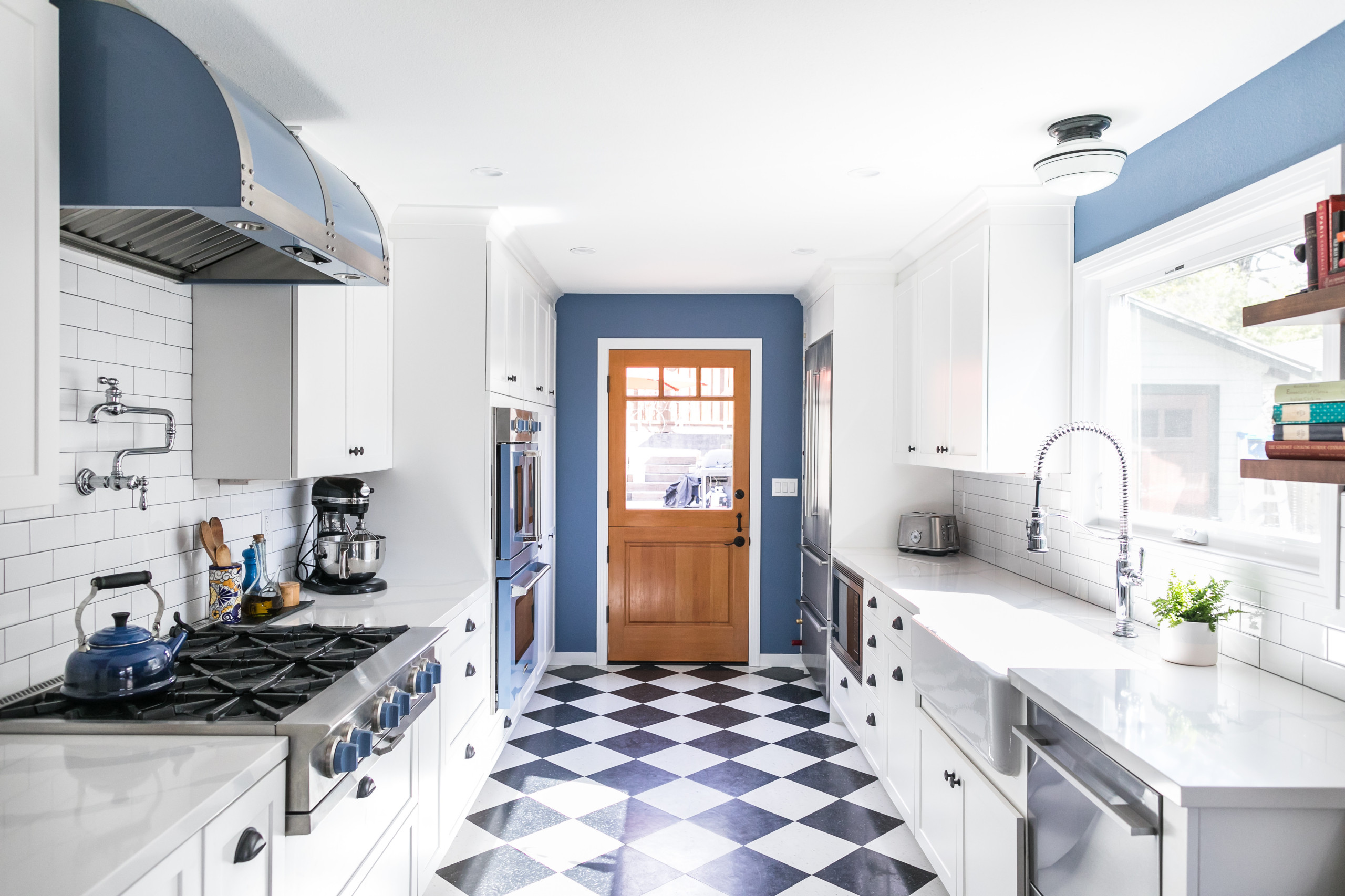
Credit: Houzz
Surface Finish Combinations
Mixing tile textures and finishes requires thoughtful planning:
Matte and Gloss Pairings
- Matte floors hide scratches and footprints
- Glossy walls reflect light and appear larger
- Creates interesting light play throughout space
- Maintains easy cleaning on vertical surfaces
Natural and Polished Contrasts
- Natural stone floors with polished wall tiles
- Rustic textures paired with sleek finishes
- Creates sophisticated material dialogue
- Balances casual and formal elements
Smooth and Textured Combinations
- Smooth floors for easy maintenance
- Textured walls for visual interest
- Prevents slippery surfaces underfoot
- Adds tactile dimension to design
Material Texture Considerations
Complementary tile patterns work with various textures:
Wood-Look Tile Pairings
- Wood-look floors with stone-look walls
- Creates natural, organic feeling
- Combines warmth with durability
- Popular in transitional design styles
Stone Texture Combinations
- Rough stone floors with smooth stone walls
- Maintains material family consistency
- Varies visual weight and interest
- Creates sophisticated natural palette
Concrete and Industrial Textures
- Polished concrete floors with subway tile walls
- Modern, urban aesthetic
- Easy maintenance and durability
- Works well in contemporary designs
Pattern and Layout Coordination
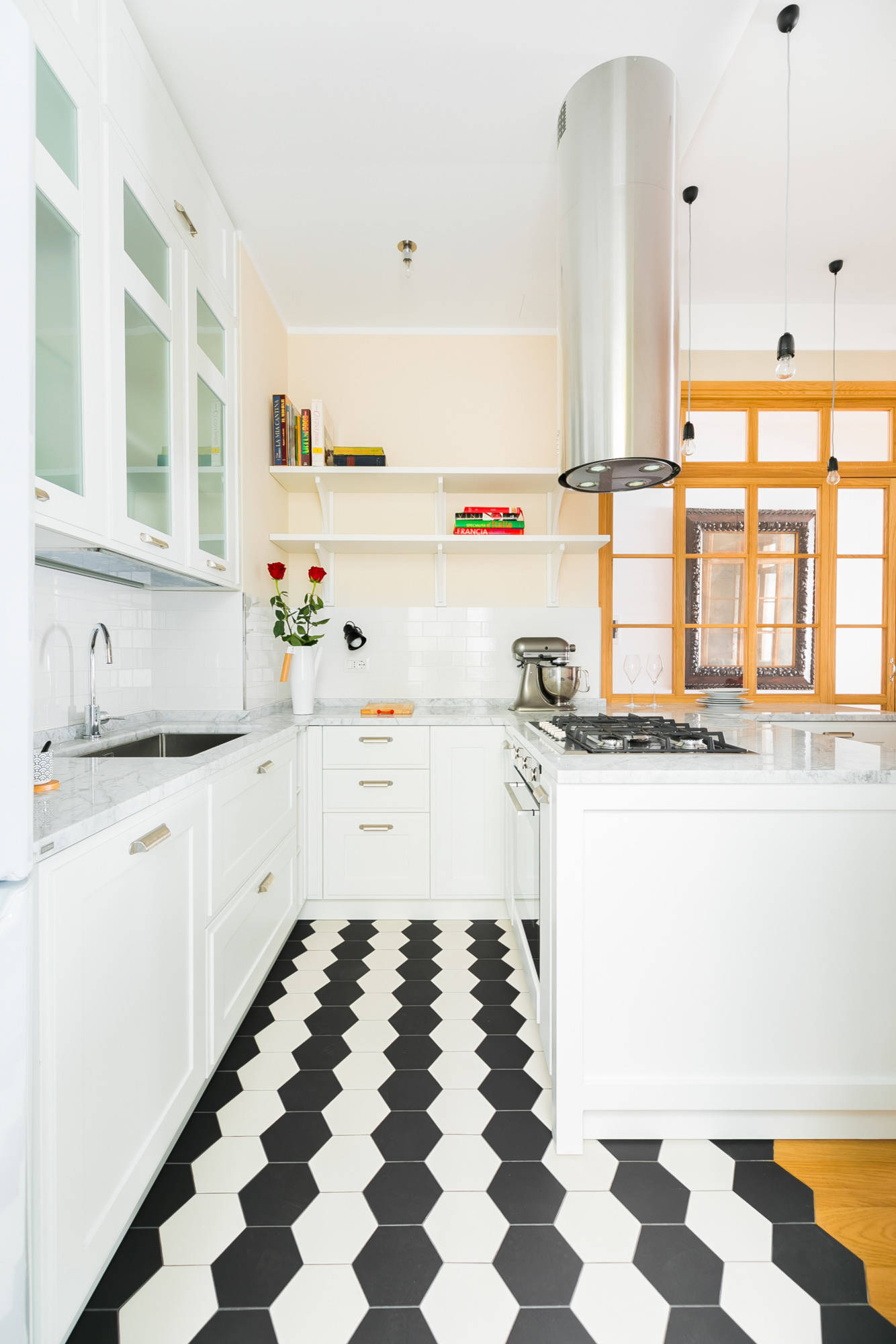
Credit: Houzz
Scale Relationships
Kitchen tile layout ideas consider pattern scale:
Large and Small Pattern Mixing
- Large format floors with small mosaic accents
- Prevents competing visual elements
- Creates hierarchy and focus points
- Maintains overall design balance
Consistent Scale Throughout
- Similar sized patterns on floors and walls
- Creates unified, cohesive appearance
- Works well in smaller spaces
- Simplifies design decision-making
Pattern Direction and Flow
Tile matching guide for kitchen includes directional considerations:
Horizontal and Vertical Balance
- Horizontal floor patterns with vertical wall layouts
- Creates dynamic visual movement
- Prevents monotonous appearance
- Adds architectural interest
Diagonal Elements
- Diagonal floor installations with straight wall patterns
- Creates energy and visual expansion
- Requires careful planning and installation
- Works well in larger spaces
Grout Line Coordination
Cohesive kitchen tile designs consider grout relationships:
- Match grout colors for seamless appearance
- Contrast grout for pattern emphasis
- Maintain consistent grout width where possible
- Plan grout maintenance requirements
Material Selection and Compatibility

Credit: Veranda
Performance Requirements
How to pair kitchen backsplash and floor considers functional needs:
Durability Standards
- Floor tiles need higher durability ratings
- Wall tiles can prioritize aesthetics
- Consider traffic patterns and usage
- Plan for long-term performance
Maintenance Compatibility
- Choose materials with similar care requirements
- Coordinate sealing schedules for natural materials
- Consider cleaning product compatibility
- Plan for consistent maintenance routines
Installation Considerations
Kitchen and floor tile combinations require compatible installation:
Substrate Requirements
- Different materials may need different substrates
- Plan for proper moisture barriers
- Consider expansion and contraction rates
- Ensure structural adequacy
Transition Planning
- Plan smooth transitions between materials
- Consider threshold and trim requirements
- Maintain consistent height relationships
- Ensure proper waterproofing at transitions
Cost and Availability
Floor and backsplash tile ideas should consider practical factors:
- Balance premium and standard materials
- Ensure long-term availability for repairs
- Coordinate delivery and installation timing
- Plan for material waste and extras
Design Style Integration

Credit: L.A. Home Beautiful
Contemporary and Modern Styles
Modern kitchen tile pairing emphasizes clean lines:
- Large format tiles with minimal grout lines
- Neutral colors with occasional bold accents
- Smooth finishes and geometric patterns
- Integrated lighting to highlight materials
Traditional and Classic Approaches
Matching kitchen wall and floor tiles in traditional styles:
- Natural materials like stone and ceramic
- Warm colors and classic patterns
- Decorative borders and accent elements
- Timeless combinations that age gracefully
Transitional Design Balance
Kitchen tile coordination tips for transitional spaces:
- Mix traditional and contemporary elements
- Balance warm and cool tones
- Combine different textures thoughtfully
- Create flexible, adaptable designs
Farmhouse and Rustic Styles
Complementary tile patterns for casual styles:
- Natural materials with authentic textures
- Warm, earthy color palettes
- Handcrafted and irregular patterns
- Comfortable, lived-in appearance
Common Mistakes to Avoid
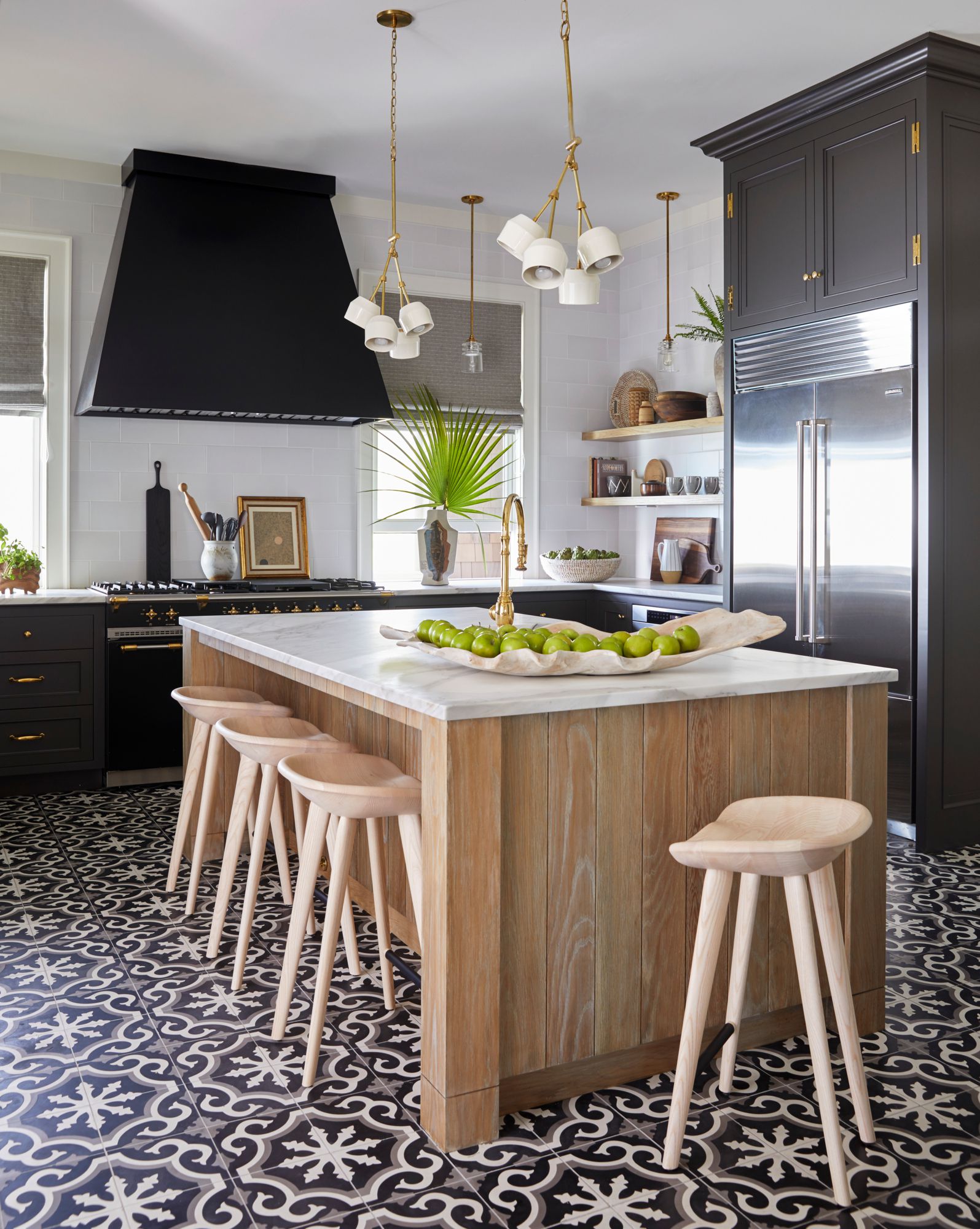
Credit: Better Homes & Gardens
Color Matching Errors
Kitchen tile color combinations pitfalls to avoid:
- Ignoring undertones in neutral colors
- Choosing colors in different lighting conditions
- Not considering how colors change throughout day
- Failing to test large samples before committing
Scale and Proportion Issues
Tile harmony in kitchen design requires proper scaling:
- Using too many different tile sizes
- Overwhelming small spaces with large patterns
- Ignoring ceiling height in tile selection
- Creating visual competition between elements
Installation Planning Oversights
Cohesive kitchen tile designs need proper planning:
- Not coordinating installation sequences
- Ignoring expansion joint requirements
- Failing to plan for electrical and plumbing integration
- Inadequate substrate preparation
Maintenance Mismatches
Kitchen and floor tile combinations should have compatible care:
- Mixing high and low maintenance materials
- Not planning for long-term upkeep costs
- Ignoring manufacturer care instructions
- Failing to establish maintenance routines
Frequently Asked Questions
What are the best kitchen tile color combinations for 2025?
Kitchen tile color combinations trending in 2025 include warm neutrals with black accents, sage green with cream, and navy blue with white. Modern kitchen tile pairing also favors monochromatic schemes with varying textures.
Should my backsplash and floor tiles be the same material?
Matching kitchen wall and floor tiles in the same material creates unity, but it's not required. How to pair kitchen backsplash and floor successfully often involves using complementary materials that share similar colors or undertones.
How do I coordinate tile textures and finishes?
Mixing tile textures and finishes works best when you balance smooth and textured surfaces. Use matte finishes on floors for practicality and glossy finishes on walls for light reflection and easy cleaning.
What's the best way to test tile combinations before purchasing?
Tile matching guide for kitchen recommends getting large samples of both tiles and viewing them together in your actual kitchen lighting at different times of day. This helps ensure tile harmony in kitchen design.
How important is grout color in tile coordination?
Grout color significantly affects cohesive kitchen tile designs. Matching grout creates seamless looks, while contrasting grout emphasizes patterns. Choose grout colors that complement both tile selections.
Can I mix different tile patterns in my kitchen?
Yes, complementary tile patterns can work beautifully when properly balanced. Use one pattern as dominant and others as accents, maintaining consistent color palettes throughout.
What are common mistakes in kitchen tile coordination?
Common errors include ignoring undertones, using too many different elements, not considering lighting effects, and failing to plan for maintenance requirements. Kitchen tile coordination tips emphasize testing combinations thoroughly.
How do I coordinate tiles with existing kitchen elements?
Floor and backsplash tile ideas should complement your cabinets, countertops, and appliances. Pull colors and textures from existing elements, or use tiles as the foundation for a complete kitchen update.
What's the best approach for small kitchen tile combinations?
Kitchen tile layout ideas for small spaces favor lighter colors, larger tiles, and simpler patterns. Cohesive kitchen tile designs help small kitchens feel larger and more organized.
Ready to create the perfect kitchen tile combination? At US Granite Marble, we specialize in kitchen and floor tile combinations that create stunning, cohesive designs. Our expert design team can help you navigate kitchen tile coordination tips and select materials that work beautifully together.
Explore our extensive collection of premium tiles, natural stone, porcelain options, and backsplash materials at our Chantilly showroom. We also offer comprehensive kitchen remodeling services to bring your complete vision to life.
Contact us today at +1 (703) 260-6882 or visit us at 14014 Sullyfield Circle, Chantilly, VA 20151 to discuss your matching kitchen wall and floor tiles with our design experts and discover the latest floor and backsplash tile ideas for your home.
Source Links
- National Kitchen & Bath Association – Tile Coordination Guidelines: https://nkba.org/
- Tile Council of North America – Design Standards: https://www.tcnatile.com/
- Kitchen & Bath Design News – Color Coordination Tips: https://www.kitchenbathdesign.com/
- Interior Design Magazine – Tile Pairing Trends: https://www.interiordesign.net/
- Ceramic Tile Distributors Association – Material Selection Guide: https://www.ctdahome.org/
- By: yunusemre
- Category: Kitchen Remodeling
- 0 comment